i.
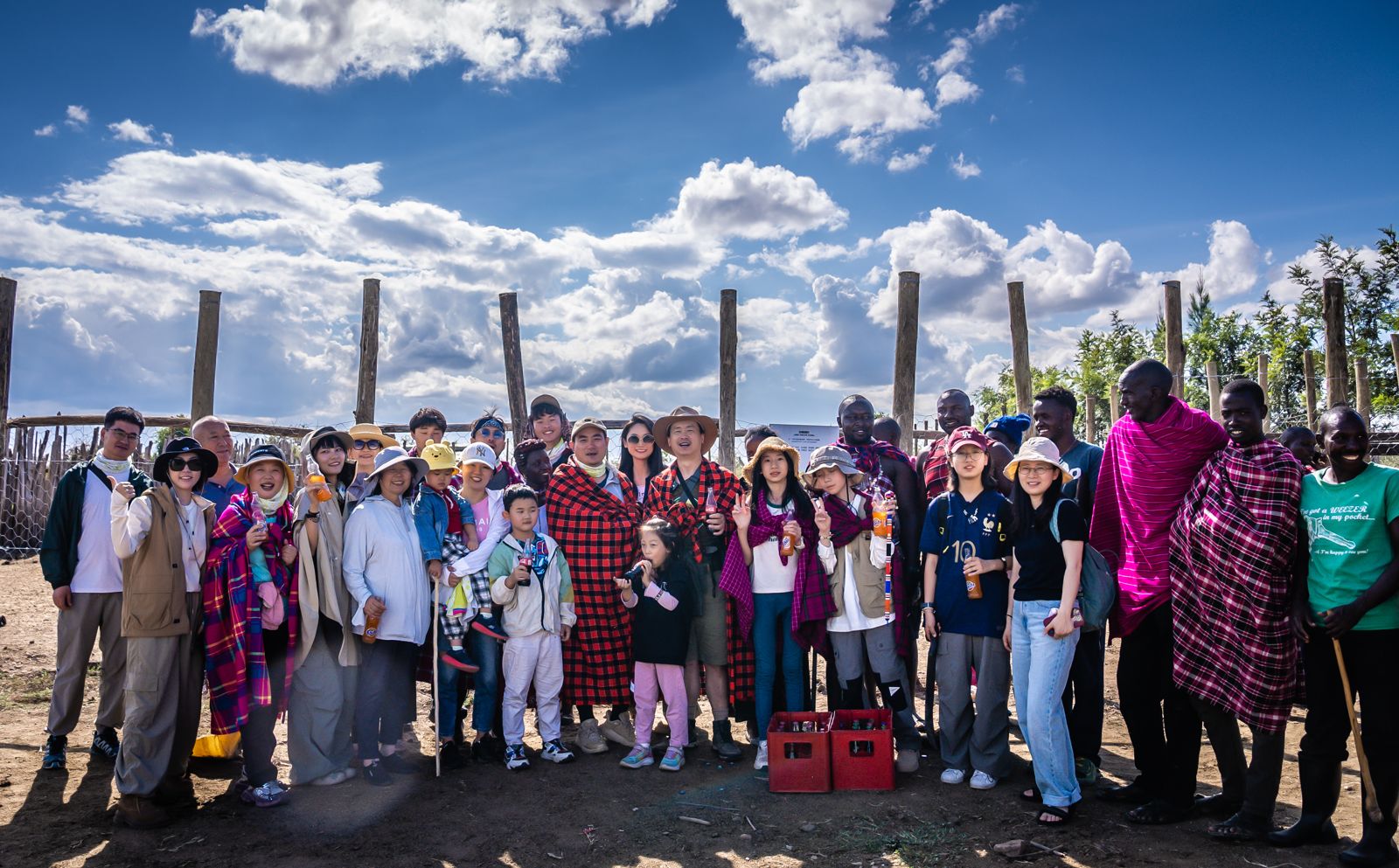
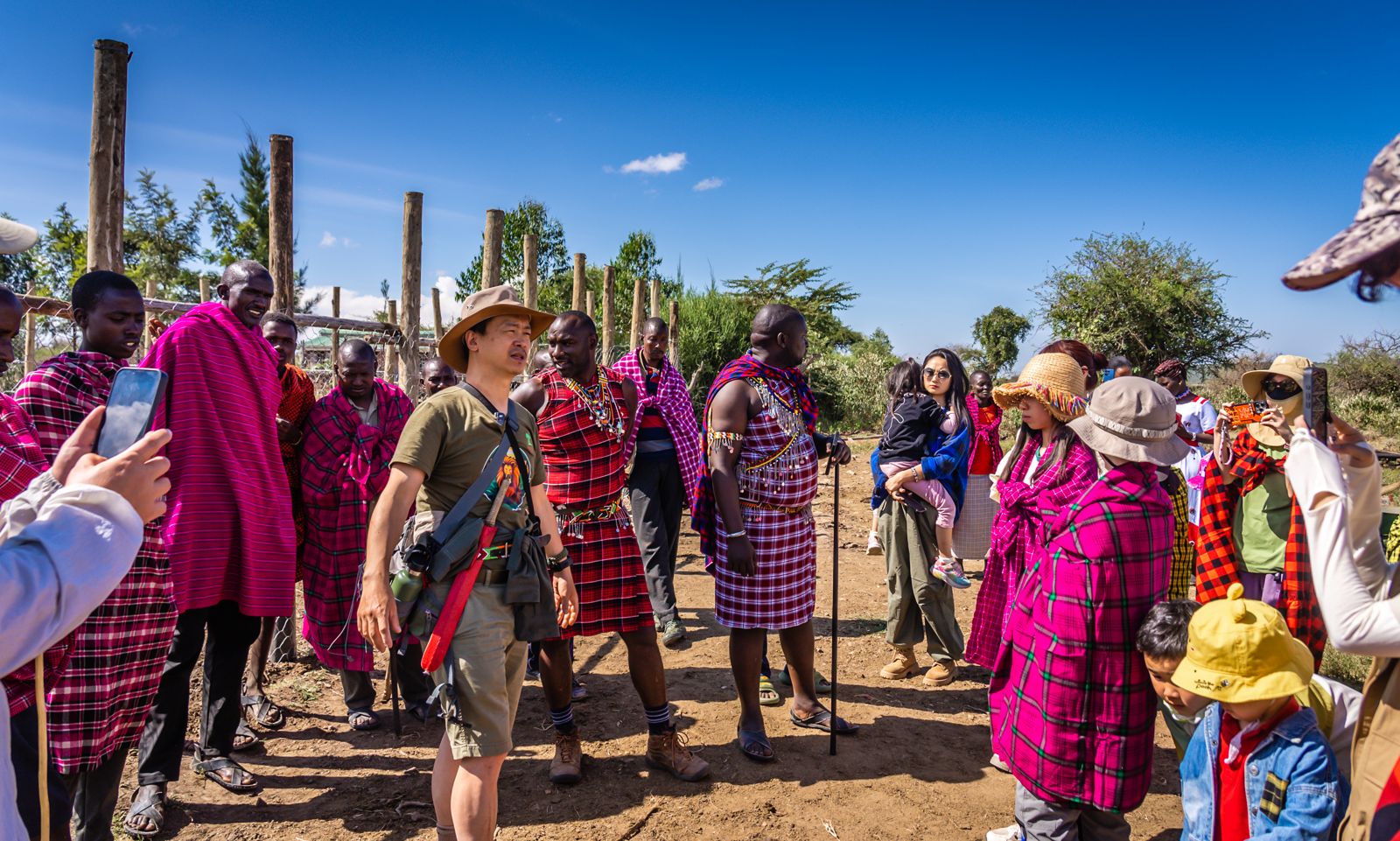
Lion-proof bomas
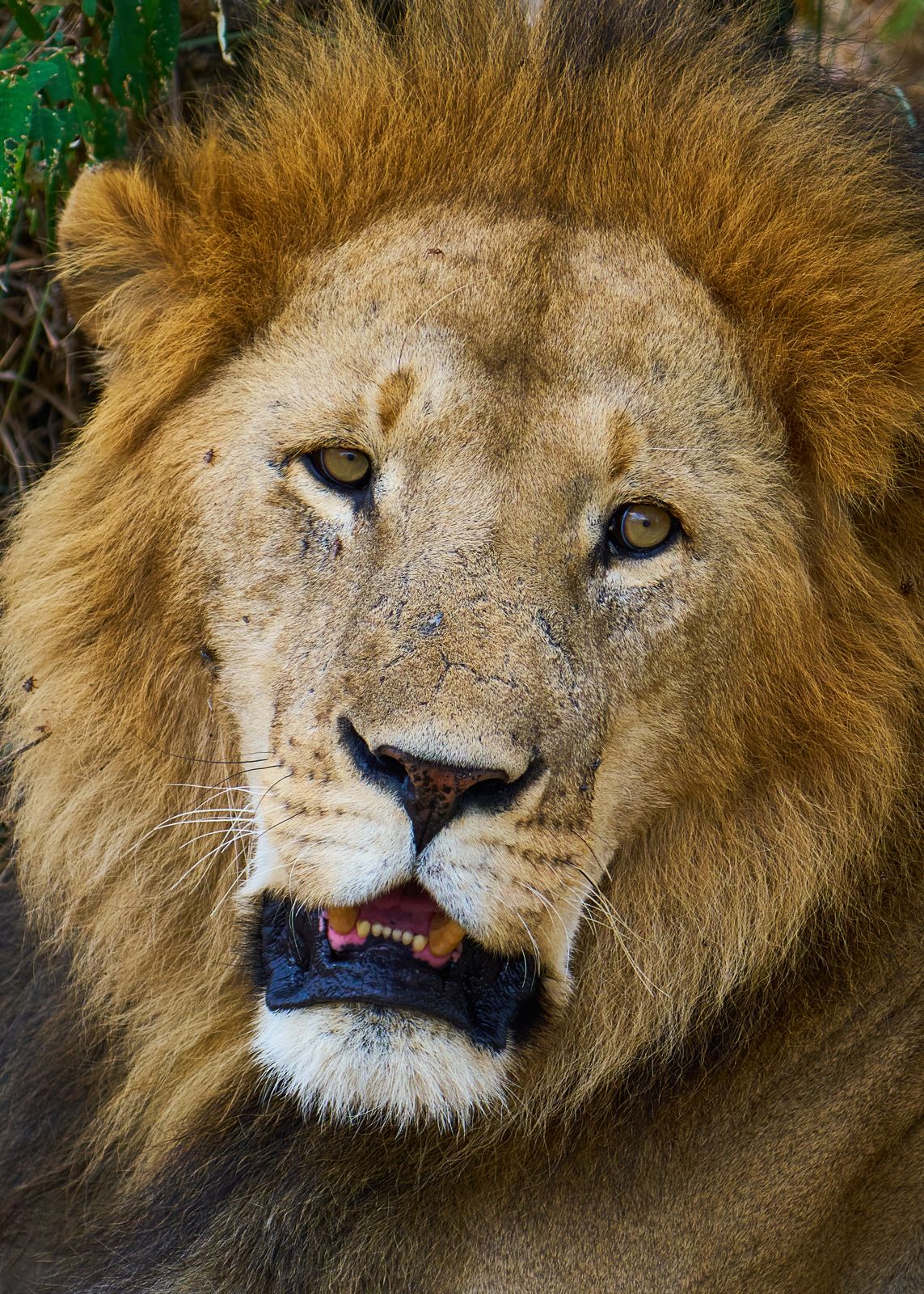
16 lion-proof bomas built around Ol Kinyei Conservancy keep herders’ livestock safe at night and spare lions from retaliatory killing.
For generations the Maasai have lived alongside wildlife without hunting it for food — they were the Mara’s first conservationists. But with few other sources of income, overgrazing has degraded the grasslands, driving soil erosion and the loss of biodiversity.
Our approach is to help the Maasai convert grazing land into wildlife conservancies, so that communities lead the work of conservation, earn lasting income and benefits from it, and gradually restore damaged rangeland.
“My home is in the Maasai Mara. I am a Maasai from China, and I welcome everyone to come here and become part of our family.”
Since settling at Ol Kinyei Conservancy in 2012, Simba has worked with Maasai communities to develop a new model of community-led conservation. Ol Kinyei has become one of the Mara’s most sought-after private conservancies and was added to the IUCN Green List in 2026. Its success inspired neighbouring communities to establish 26 conservancies, giving wildlife more habitat and safer migration corridors.
16 lion-proof bomas built around Ol Kinyei Conservancy keep herders’ livestock safe at night and spare lions from retaliatory killing.
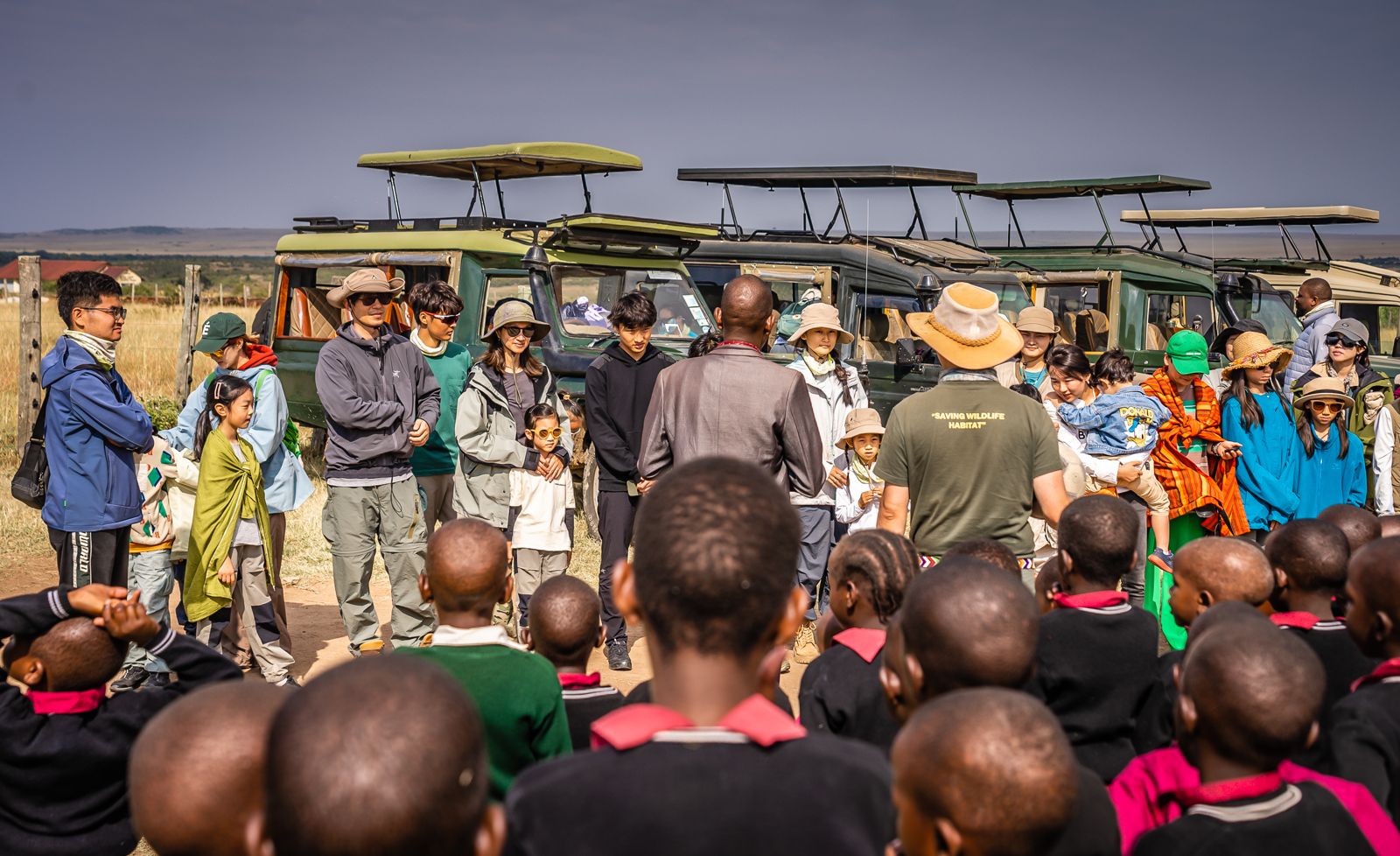
Vehicles, motorcycles and field supplies donated to Ol Kinyei, plus 26 motorcycles for other community conservancies in the Maasai Mara and Laikipia.
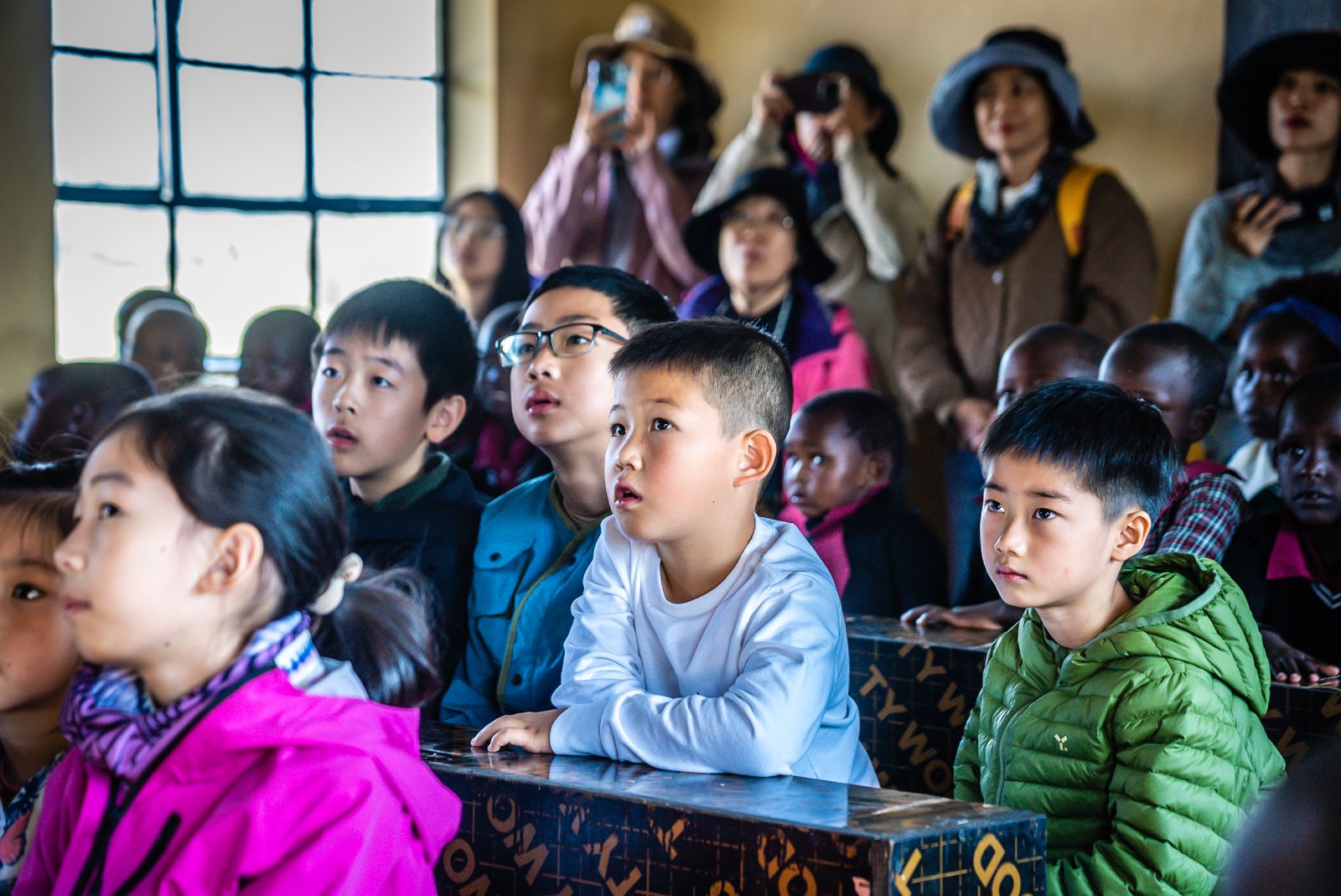
Six schools supported through new classrooms, supplies and Lion Scholarships focused on women teachers and girls — plus a conservation club at Ngoswani Primary School.
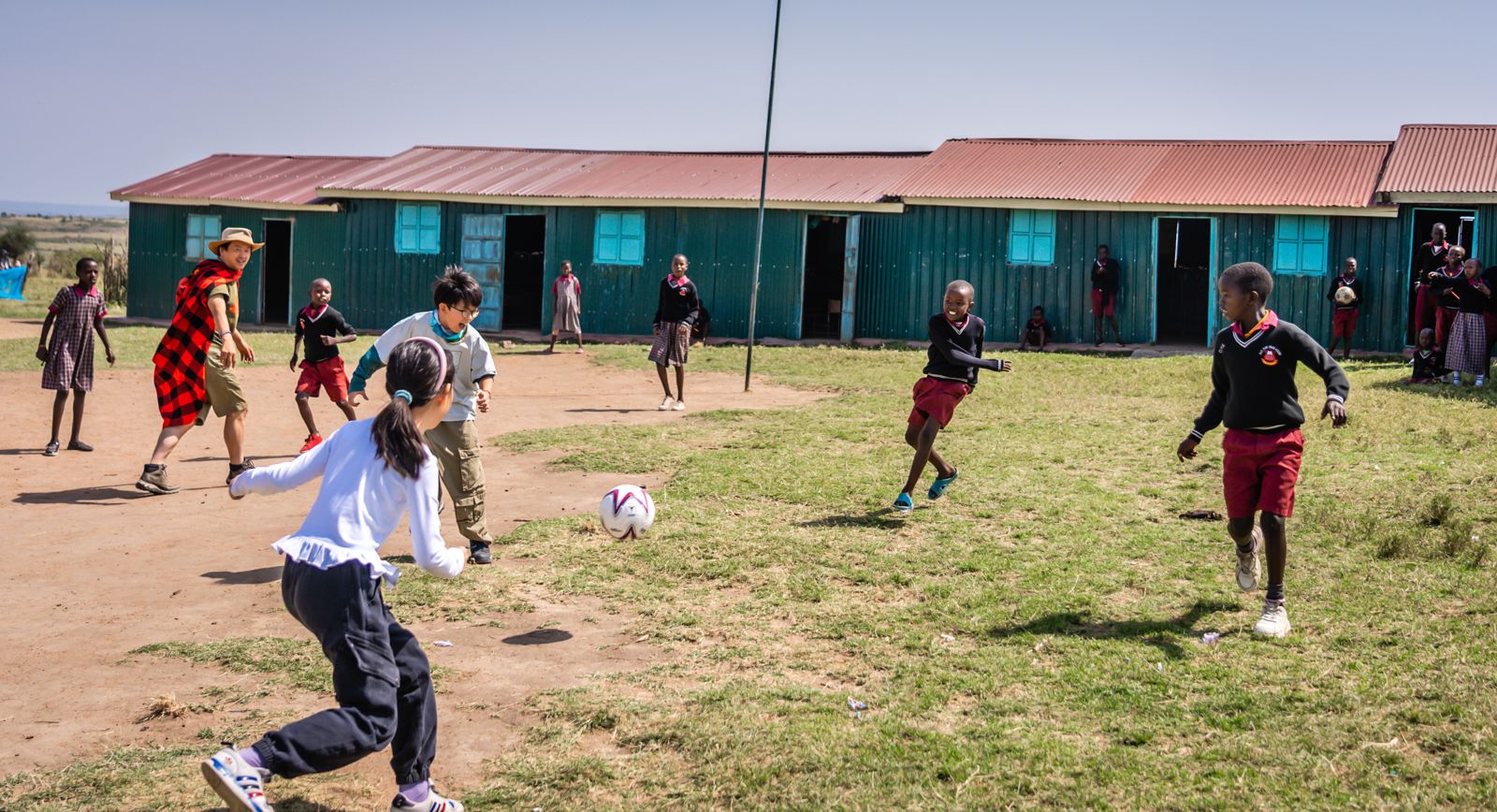
Six African Savanna Games and Maasai Mara English writing competitions so far, building young people’s pride in their own ecosystem.
Handicraft training, poultry, massage therapy, vegetable gardens and beekeeping give Maasai families more income and less dependence on grazing.
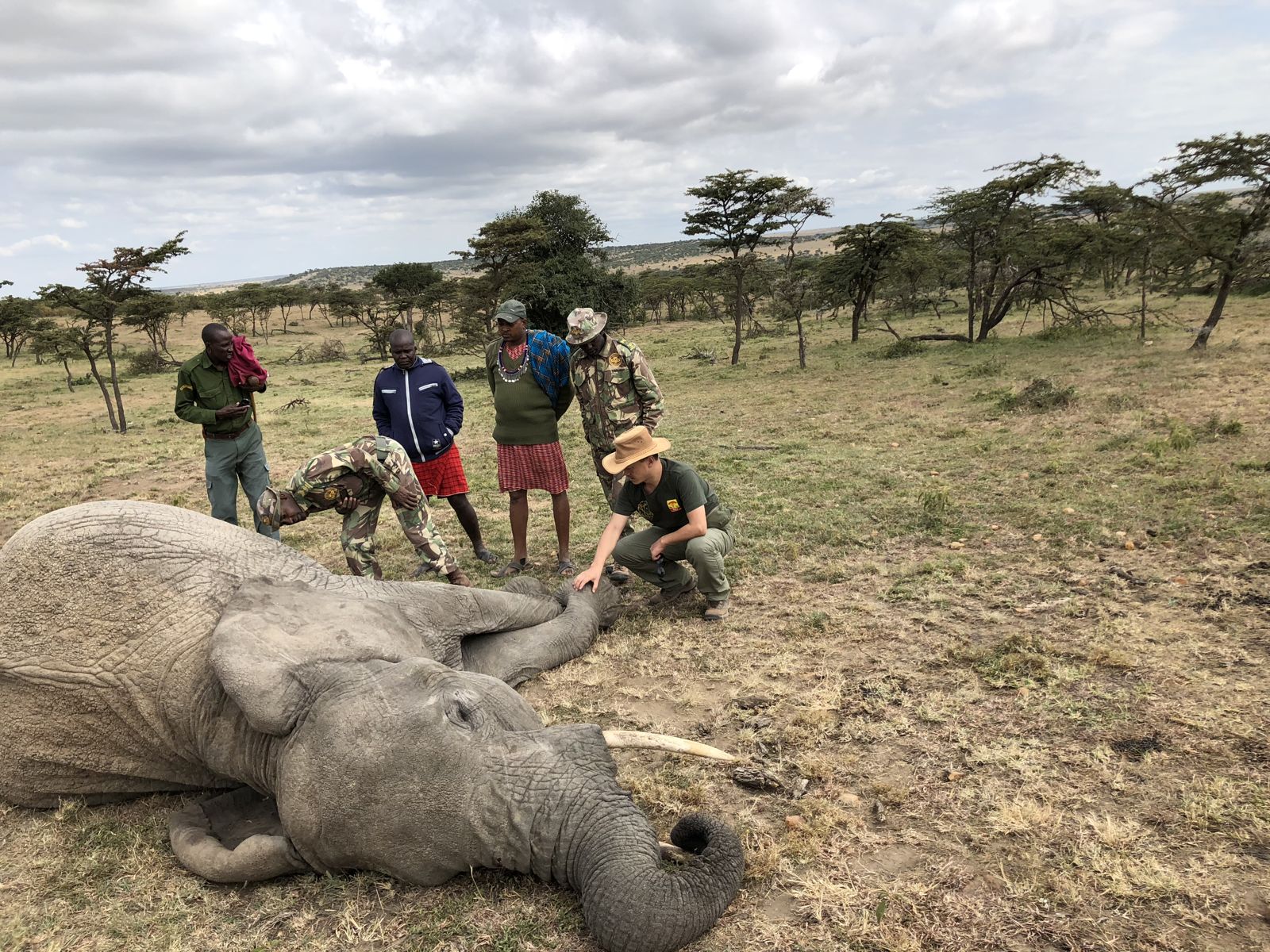
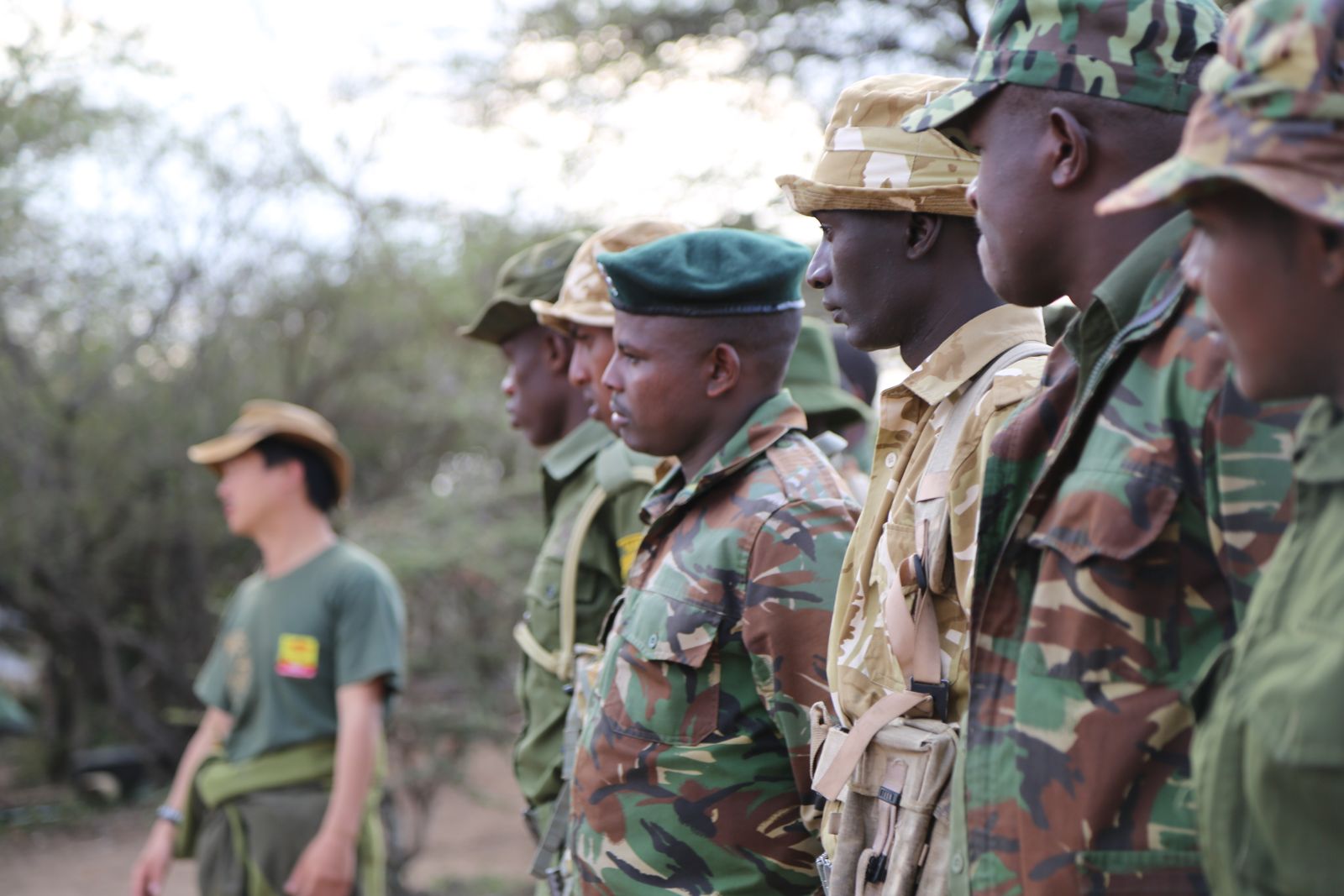
Since 2025, focused support for wildlife monitoring and ranger patrols in Olarro Conservancy, Mara Ripoi Conservancy and Nashulai Maasai Conservancy.
The Mara Wildlife Conservation Research Group was founded in 2023 by Simba, Cao Xiaoling and Simon Masago of the Ngoswani community. In September 2026 the group moved into the Mara Natural History Center.
Renovated classrooms, remote digital teaching, rainwater harvesting and school gardens that turn water and soil ecology into everyday lessons.
Field research designed around each participant’s interests: recording wildlife behaviour and helping reduce human–wildlife conflict, guided by professionals.
With the cultural training centre at Nashulai Maasai Conservancy, we help young Maasai gain vocational skills and rely less on livestock.